

What is the viewing angle of a smart board for the classroom?
What is the viewing angle of a smart board for the classroom?
As a supplier of smart boards for classrooms, I often encounter questions from educators and school administrators about the viewing angle of these essential teaching tools. The viewing angle of a smart board can significantly impact the learning experience for students, so it's crucial to understand what it is and how it affects classroom use.
Understanding Viewing Angle
The viewing angle of a smart board refers to the maximum angle from which a viewer can see the display clearly without significant loss of image quality, such as color distortion, contrast reduction, or brightness variation. It is typically measured in degrees horizontally and vertically. For example, a smart board with a horizontal viewing angle of 170 degrees means that viewers can see the screen clearly from up to 85 degrees to the left or right of the center of the screen.
In a classroom setting, a wide viewing angle is essential because students are seated at various positions around the room. If the viewing angle is too narrow, students sitting at the sides of the classroom may experience difficulty seeing the content on the smart board clearly. This can lead to distractions, reduced engagement, and ultimately, a less effective learning environment.
Importance of Wide Viewing Angles in the Classroom
A wide viewing angle offers several benefits in a classroom environment:
Equal Access to Information
With a wide viewing angle, all students, regardless of their seating position, have equal access to the information displayed on the smart board. This ensures that every student can participate fully in the lesson and understand the content being presented.
Enhanced Engagement
When students can see the smart board clearly from their seats, they are more likely to stay engaged in the lesson. They can focus on the visuals, follow along with the teacher's instructions, and interact with the content more effectively.
Flexible Seating Arrangements
A wide viewing angle allows for more flexible seating arrangements in the classroom. Teachers can arrange desks in different configurations, such as groups or circles, without worrying about students having a poor view of the smart board. This promotes collaboration and active learning among students.
Factors Affecting Viewing Angle
Several factors can affect the viewing angle of a smart board:
Display Technology
Different display technologies have different viewing angle characteristics. For example, LCD (Liquid Crystal Display) smart boards generally have a wider viewing angle compared to CRT (Cathode Ray Tube) displays. However, the viewing angle can still vary depending on the quality of the LCD panel used.
Screen Coating
The type of screen coating on the smart board can also impact the viewing angle. Anti-glare coatings can reduce reflections and improve visibility from different angles, while matte coatings can help to minimize glare and provide a more consistent viewing experience.
Installation Height and Position
The height and position of the smart board installation can affect the viewing angle for students. It should be installed at an appropriate height so that students can see the screen without having to strain their necks. Additionally, it should be centered in the classroom to ensure that all students have a good view.
Choosing the Right Smart Board for Classroom Viewing Angle
When selecting a smart board for the classroom, it's important to consider the viewing angle requirements. Here are some tips to help you choose the right smart board:
Look for a Wide Viewing Angle
Choose a smart board with a wide horizontal and vertical viewing angle. A viewing angle of at least 170 degrees horizontally and 160 degrees vertically is recommended for classroom use. This will ensure that students can see the screen clearly from most positions in the classroom.
Consider the Display Technology
As mentioned earlier, different display technologies have different viewing angle characteristics. LCD smart boards are generally a good choice for classrooms due to their wide viewing angles and energy efficiency. However, make sure to choose a high-quality LCD panel to ensure optimal performance.
Evaluate the Screen Coating
Look for a smart board with an anti-glare or matte screen coating. This will help to reduce reflections and improve visibility from different angles, especially in classrooms with bright lighting or large windows.
Test the Smart Board in the Classroom
Before making a purchase, it's a good idea to test the smart board in the actual classroom environment. This will allow you to see how it performs from different seating positions and ensure that it meets your viewing angle requirements.
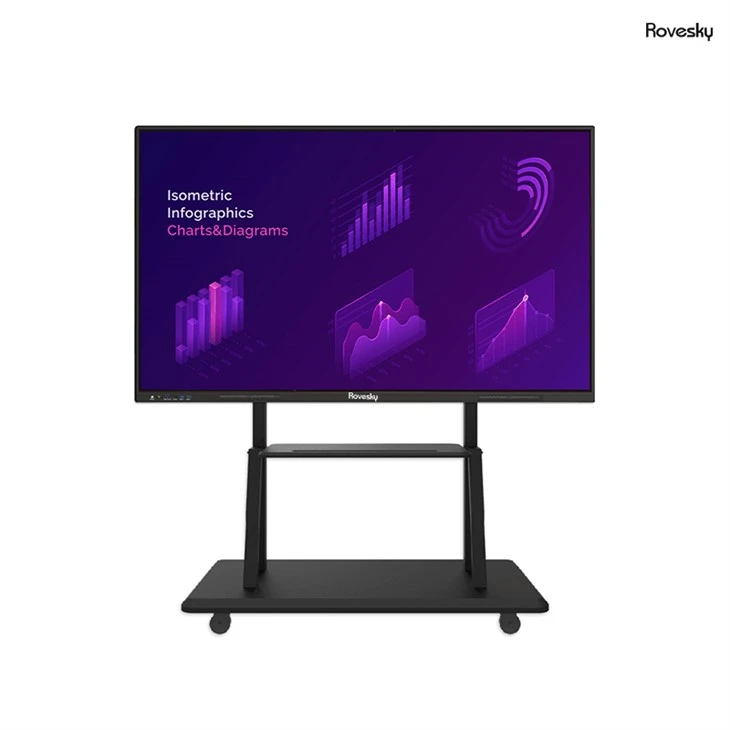
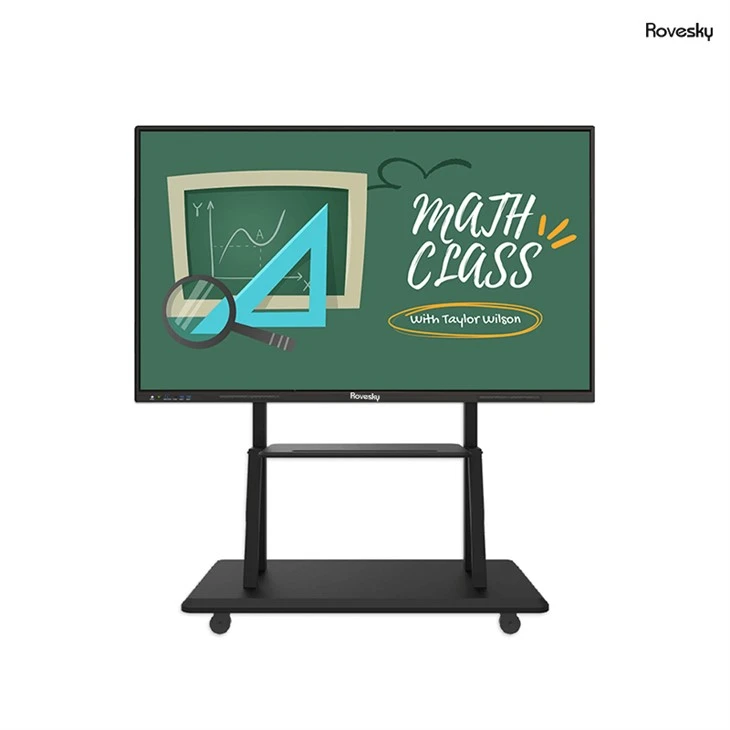
Our Factory Price 65'' 4K Touchscreen Whiteboard
At our company, we offer a range of smart boards for classrooms, including the Factory Price 65'' 4K Touchscreen Whiteboard. This smart board features a wide viewing angle of 178 degrees horizontally and vertically, ensuring that all students can see the screen clearly from any position in the classroom.
The 65-inch 4K touchscreen provides a high-resolution display with vibrant colors and sharp images, making it ideal for presenting educational content. It also comes with advanced touch technology, allowing students and teachers to interact with the screen using their fingers or a stylus.
In addition to its excellent viewing angle and display quality, our smart board is easy to install and use. It can be connected to a computer, laptop, or other devices via HDMI or USB, and it comes with a user-friendly software interface that makes it easy to create and deliver engaging lessons.
Conclusion
The viewing angle of a smart board is an important factor to consider when choosing a teaching tool for the classroom. A wide viewing angle ensures that all students have equal access to the information displayed on the screen, enhances engagement, and allows for more flexible seating arrangements. When selecting a smart board, look for a wide viewing angle, consider the display technology and screen coating, and test the smart board in the classroom environment.
If you're interested in learning more about our smart boards for classrooms or would like to discuss your specific requirements, please don't hesitate to contact us. We're here to help you choose the right smart board for your classroom and provide you with the support and service you need.
References
- "Viewing Angle: What It Is and Why It Matters." DisplayMate Technologies.
- "How to Choose the Right Smart Board for Your Classroom." Education Technology.