

What is the difference between AMOLED and LCD smart mobile display screens?
Hey there! As a supplier of smart mobile display screens, I often get asked about the differences between AMOLED and LCD screens. It's a hot topic, especially with the rapid evolution of smartphone and other smart device technologies. So, let's dive right in and break down what sets these two types of display screens apart.
Basics of AMOLED and LCD
First off, let's understand what AMOLED and LCD actually are. AMOLED stands for Active - Matrix Organic Light - Emitting Diode. In an AMOLED screen, each pixel is its own light source. That means it can emit light on its own without the need for a separate backlight.

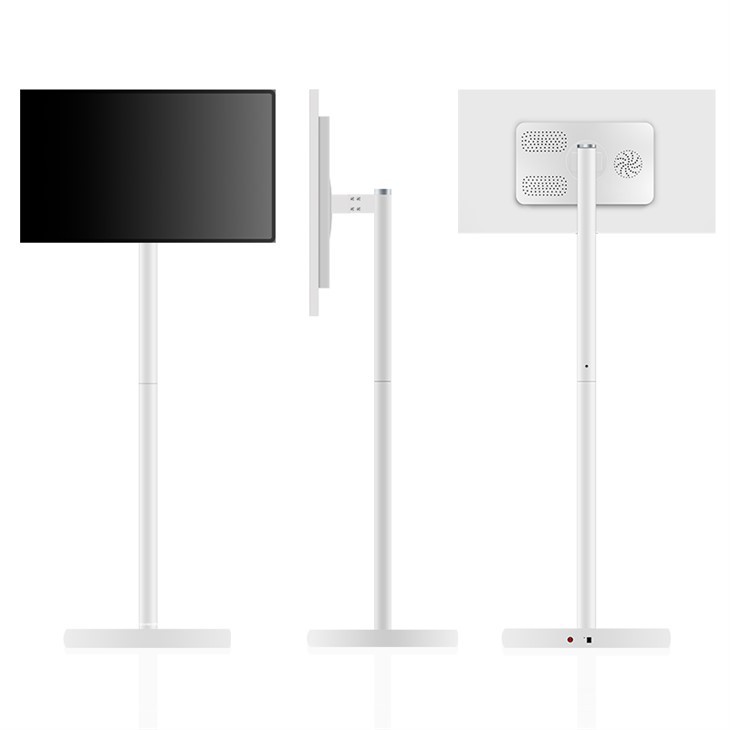
On the other hand, LCD stands for Liquid - Crystal Display. LCD screens rely on a backlight to illuminate the pixels. The liquid crystals in the display act like shutters, controlling how much light passes through to create an image.
Picture Quality
One of the most noticeable differences between AMOLED and LCD is picture quality. AMOLED screens are known for their vibrant colors and deep blacks. Since each pixel can be turned off completely, when displaying black areas on the screen, there's no light leakage. This results in an infinite contrast ratio, where the difference between the brightest whites and the darkest blacks is really extreme.
LCD screens, however, struggle to achieve true blacks because of the backlight. Even when the liquid crystals are adjusted to block light, there's always some light leakage, which means the blacks appear more like dark grays. As a result, the contrast ratio of LCD screens is generally lower compared to AMOLED.
Color accuracy is also a point of difference. AMOLED screens tend to have more saturated colors, which can make images and videos look really eye - catching. But sometimes, these colors can be a bit too vivid and might not represent the real - world colors accurately. LCD screens, on the other hand, can offer more accurate color reproduction, especially in high - end models that use advanced color calibration techniques.
Power Consumption
Power consumption is a big deal, especially for mobile devices where battery life is crucial. AMOLED screens are more energy - efficient when displaying a lot of black or dark content. Since individual pixels can be turned off, there's no need to waste power on areas of the screen that are supposed to be black.
LCD screens, with their constant backlight, consume a relatively consistent amount of power regardless of the content being displayed. So, if you're someone who spends a lot of time looking at dark - themed apps or reading e - books with a black background, an AMOLED screen might save you some battery life.
Viewing Angles
Viewing angles are another area where AMOLED and LCD screens differ. AMOLED screens offer excellent viewing angles. You can tilt the screen at a pretty wide angle, and the colors and contrast will remain relatively consistent. Whether you're looking at the screen from the side or from an angle above or below, the image quality doesn't degrade much.
LCD screens, especially the cheaper ones, can have poor viewing angles. When you look at the screen from the side, the colors might wash out, and the contrast can decrease significantly. High - end LCDs with advanced technologies like In - Plane Switching (IPS) can improve viewing angles, but they still generally can't match the performance of AMOLED screens in this regard.
Durability and Lifespan
Durability is an important factor to consider. AMOLED screens are more prone to a phenomenon called burn - in. Burn - in occurs when a static image is displayed on the screen for a long time, causing the organic compounds in the pixels to degrade unevenly. This results in a faint, permanent shadow of the image remaining on the screen even when different content is being displayed.
LCD screens don't have the issue of burn - in. They are generally more durable in this aspect. However, LCD screens are more susceptible to physical damage because of the backlight and the liquid crystal layer. A hard impact can cause the liquid crystals to leak or the backlight to malfunction.
In terms of lifespan, AMOLED screens have a limited lifespan due to the degradation of the organic materials over time. The brightness of the screen can gradually decrease as the pixels age. LCD screens, on the other hand, can last longer, especially if they are well - maintained.
Cost
Cost is always a consideration for both consumers and manufacturers. AMOLED technology is more expensive to produce compared to LCD technology. This is because the manufacturing process of AMOLED screens is more complex, and the materials used are more costly.
As a result, devices with AMOLED screens are usually more expensive than those with LCD screens. However, as the technology matures and production volumes increase, the price gap between AMOLED and LCD is gradually narrowing.
Applications
Both AMOLED and LCD screens have their own niches in the market. AMOLED screens are commonly used in high - end smartphones, smartwatches, and some high - end tablets. Their superior picture quality and energy - efficiency make them a great choice for devices where users expect a premium visual experience.
LCD screens are still widely used in a variety of devices, including mid - range and budget smartphones, laptops, and large - screen TVs. Their lower cost and relatively good performance make them a practical choice for mass - market products.
If you're in the market for a smart mobile display screen, you might be interested in some of our products. Check out our 4K Portable Stand By Me Tv, 27 - Inch Stand By Me Smart Portable TV. Wholesale, and 32inch, 4k, Portable Smart Monitor, Touch Screen.
So, whether you're a manufacturer looking to source display screens for your next product or a distributor looking for high - quality screens to sell, we've got you covered. If you're interested in learning more about our AMOLED or LCD smart mobile display screens, or if you want to discuss a potential purchase, don't hesitate to reach out. We're here to provide you with the best products and solutions tailored to your needs.
References
- "Display Technology Handbook" by John Wiley & Sons
- Industry reports from market research firms on display technologies