

What is the aspect ratio of a regular TV?
In the world of television technology, the aspect ratio is a fundamental concept that significantly influences the viewing experience. As a regular TV supplier, I've witnessed firsthand how aspect ratios shape the way audiences interact with visual content. In this blog, I'll delve into what the aspect ratio of a regular TV is, its historical evolution, and its implications for modern consumers.
Understanding Aspect Ratio
The aspect ratio of a TV is defined as the proportional relationship between the width and the height of the screen. It is typically expressed as two numbers separated by a colon, such as 16:9 or 4:3. This ratio determines the shape of the screen and how content is displayed. For instance, a 16:9 aspect ratio means that for every 16 units of width, there are 9 units of height.
Historical Evolution of TV Aspect Ratios
- 4:3 Aspect Ratio: The 4:3 aspect ratio, also known as the "fullscreen" or "standard" ratio, was the norm for televisions from the early days of broadcasting until the late 20th century. It was based on the format of early film and photography. This ratio provided a square - like shape that was well - suited for the types of content produced at the time, including news broadcasts, sitcoms, and movies shot in the standard film format. However, as technology advanced and content creators began to explore more immersive visual experiences, the limitations of the 4:3 ratio became apparent.
- 16:9 Aspect Ratio: In the late 1990s and early 2000s, the 16:9 aspect ratio emerged as the new standard for high - definition televisions (HDTV). This widescreen format was designed to mimic the aspect ratio of modern cinematic films, which typically use a wider field of view to create a more immersive experience. The 16:9 ratio is now the most common aspect ratio for regular TVs, including LCD, LED, and OLED models. It is compatible with a wide range of content, from high - definition movies and TV shows to video games and sports broadcasts.
Impact of Aspect Ratio on Content Display
- Letterboxing and Pillarboxing: When content with a different aspect ratio than the TV screen is displayed, black bars may appear on the top and bottom (letterboxing) or on the sides (pillarboxing) of the screen. For example, if a 4:3 video is played on a 16:9 TV, pillarboxing will occur, as the TV has a wider width that cannot be filled by the 4:3 content. Conversely, when a widescreen movie with an aspect ratio of 2.35:1 is played on a 16:9 TV, letterboxing will be used to maintain the correct proportions of the film.
- Immersive Viewing Experience: The 16:9 aspect ratio provides a more immersive viewing experience for many types of content, especially movies and action - packed sports events. The wider field of view allows viewers to take in more of the scene, enhancing the sense of depth and realism. Video games also benefit from the 16:9 ratio, as it provides a broader perspective that can improve gameplay and immersion.
Our Product Range and Aspect Ratios
As a regular TV supplier, we offer a diverse range of products with different aspect ratios to meet the needs of our customers.
- Rovesky 21 - Inch 4K Portable Touch Monitor Pro: This portable monitor features a 16:9 aspect ratio, making it ideal for on - the - go entertainment, business presentations, and gaming. The 4K resolution combined with the 16:9 aspect ratio delivers sharp, detailed images and a wide field of view.
- Rovesky 27 - Inch Flat Gaming Monitor – 240Hz: Designed for gamers, this monitor also has a 16:9 aspect ratio. The high refresh rate of 240Hz and the 16:9 aspect ratio work together to provide smooth, fluid gameplay and an immersive gaming experience.
- Rovesky 85 - Inch 4K AI Smart TV: Our largest TV offering, the 85 - inch model, comes with a 16:9 aspect ratio. The large screen size and 4K resolution, along with the 16:9 aspect ratio, create a home - theater - like experience, perfect for watching movies, TV shows, and sports events.
Future Trends in Aspect Ratios
While the 16:9 aspect ratio remains the dominant standard for regular TVs, there are emerging trends in the industry. Some manufacturers are exploring wider aspect ratios, such as 21:9, which is commonly used in ultrawide monitors. This aspect ratio is well - suited for multitasking, as it allows users to display multiple windows side by side without the need for extensive resizing. In addition, virtual reality (VR) and augmented reality (AR) technologies are introducing new ways of experiencing visual content, which may challenge the traditional concept of aspect ratios.
Conclusion
The aspect ratio of a regular TV is a crucial factor that affects the viewing experience. The 16:9 aspect ratio has become the standard for modern televisions, offering a balance between compatibility with a wide range of content and an immersive viewing experience. As a TV supplier, we are committed to providing our customers with high - quality products that meet their diverse needs. Whether you're a casual viewer, a gamer, or a home - theater enthusiast, we have a TV with the right aspect ratio for you.
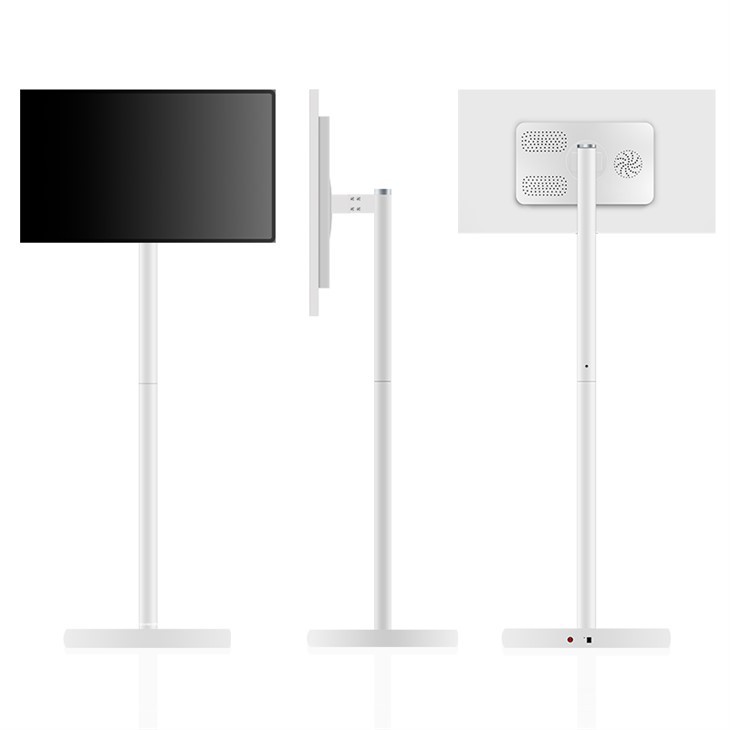

If you're interested in purchasing our products or have any questions about aspect ratios and TV technology, please feel free to contact us for a detailed discussion. We look forward to helping you find the perfect TV for your needs.
References
- Blouin, R. (2008). Understanding Aspect Ratios. TV Technology.
- Digital Television Group. (2010). Digital Television: Technology and Standards. Springer.