

How can industrial panel computers be integrated into a production line?
As a supplier of industrial panel computers, I've witnessed firsthand the transformative impact these devices can have on production lines. Integrating industrial panel computers into a production line is a strategic move that can enhance efficiency, improve quality control, and streamline operations. In this blog, I'll share insights on how to effectively integrate industrial panel computers into a production line, drawing from my experience in the industry.
Understanding the Production Line Requirements
Before integrating industrial panel computers, it's crucial to understand the specific requirements of the production line. This involves assessing the production processes, identifying pain points, and determining the functions and features needed from the panel computers. For example, in a manufacturing plant, the panel computers may be used for monitoring equipment status, controlling production processes, and collecting data. In a food processing facility, they may need to be resistant to moisture and chemicals. By understanding the production line requirements, we can select the appropriate industrial panel computers and configure them to meet the specific needs of the operation.
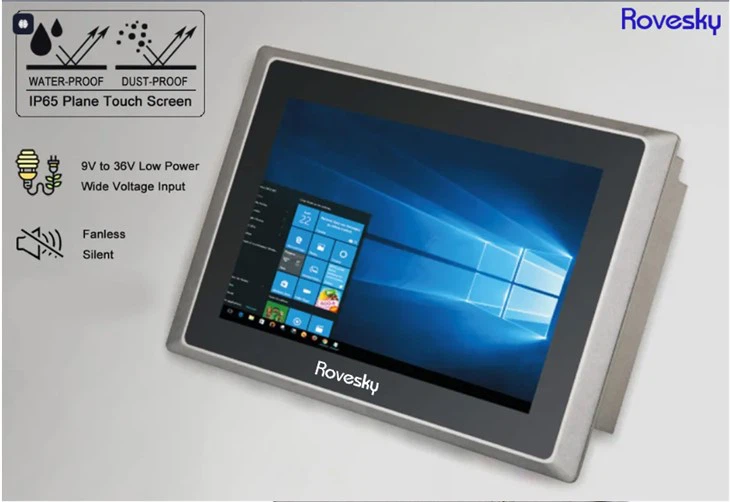
One key consideration is the environment in which the panel computers will operate. Industrial settings can be harsh, with high temperatures, vibrations, dust, and moisture. Therefore, the panel computers need to be rugged and reliable, capable of withstanding these conditions without compromising performance. Our Industrial Panel PC Manufacturer | OEM ODM Factory China offers a range of industrial panel computers that are designed to meet these challenging environments. These computers are built with high-quality components and are tested to ensure durability and reliability.
Selecting the Right Industrial Panel Computers
Once the production line requirements are understood, the next step is to select the right industrial panel computers. When choosing a panel computer, several factors need to be considered, including the display size, processing power, memory, storage, connectivity options, and operating system.
The display size is an important consideration, as it needs to be large enough to provide clear and detailed information. For example, in a control room where operators need to monitor multiple processes simultaneously, a larger display may be required. Our 16'' inch Industrial Panel Computer Supplier offers a variety of display sizes to meet different needs.
Processing power is another crucial factor. The panel computer needs to be able to handle the tasks assigned to it efficiently. This includes running applications, processing data, and communicating with other devices on the production line. Modern industrial panel computers are equipped with powerful processors that can handle complex tasks with ease.
Connectivity options are also important. The panel computer needs to be able to connect to other devices on the production line, such as sensors, actuators, and controllers. This may include Ethernet, USB, serial ports, and wireless connectivity options like Wi-Fi and Bluetooth. Our industrial panel computers come with a wide range of connectivity options, allowing for seamless integration into existing production line systems.

Integration Planning and Design
After selecting the right industrial panel computers, the next step is to plan and design the integration process. This involves creating a detailed integration plan that outlines the steps involved in installing, configuring, and testing the panel computers.
First, the physical installation of the panel computers needs to be planned. This includes determining the location of the panel computers, ensuring proper ventilation and cooling, and providing adequate power supply. The panel computers should be installed in a location that is easily accessible for operators and maintenance personnel.
Next, the software configuration needs to be planned. This includes installing the operating system, applications, and drivers on the panel computers. The software should be configured to communicate with other devices on the production line and to perform the specific tasks required.
Testing is an important part of the integration process. Before deploying the panel computers on the production line, they should be thoroughly tested to ensure that they are functioning properly. This includes testing the hardware, software, and connectivity. Any issues that are identified during testing should be resolved before the panel computers are put into production.
Training the Operators
Once the industrial panel computers are integrated into the production line, it's important to train the operators on how to use them effectively. This includes providing training on the hardware, software, and applications installed on the panel computers.
The training should be tailored to the specific needs of the operators and should cover topics such as how to navigate the user interface, how to access and analyze data, and how to perform basic maintenance tasks. By providing comprehensive training, operators will be able to use the panel computers to their full potential, improving productivity and efficiency on the production line.
Maintenance and Support
To ensure the continued performance of the industrial panel computers, regular maintenance and support are required. This includes monitoring the performance of the panel computers, performing software updates, and replacing any faulty components.
Our company provides comprehensive maintenance and support services for our industrial panel computers. We offer remote monitoring and troubleshooting services, as well as on-site support when needed. Our team of experienced technicians is available 24/7 to provide assistance and ensure that your production line runs smoothly.
Conclusion
Integrating industrial panel computers into a production line is a complex but rewarding process. By understanding the production line requirements, selecting the right panel computers, planning and designing the integration process, training the operators, and providing maintenance and support, you can enhance the efficiency, productivity, and quality of your production line.
If you're interested in learning more about how our industrial panel computers can be integrated into your production line, or if you have any questions or need assistance, please don't hesitate to contact us. We'd be happy to discuss your specific needs and provide you with customized solutions.
References
- Johnson, A. (2020). Industrial Automation: Integrating Technology for Efficiency. Publication Press.
- Smith, B. (2019). The Role of Panel Computers in Modern Production Lines. Industrial Journal.